


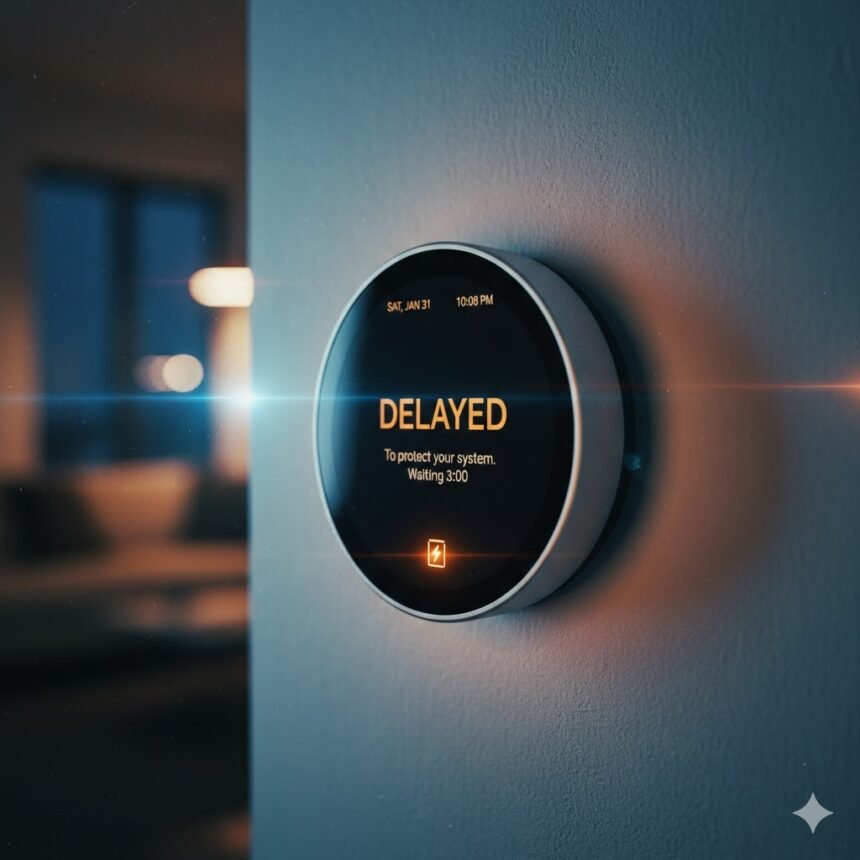
Introduction
Waiting can be frustrating especially when you’re eagerly anticipating a product, a service, or even an update that’s supposed to make life easier. Many people ask, “why is nest delayed?” and it’s a fair question. Whether it’s about smart home devices, packages, or software updates, delays can throw off plans and leave you scratching your head.
Delays aren’t just about bad luck; they’re often a combination of logistics, manufacturing hiccups, global supply issues, and sometimes, a bit of unforeseen chaos. In this article, we’ll explore the main reasons behind delays, practical ways to cope, and what you can do to stay informed. By the end, you’ll have a clear picture of why delays happen and how to navigate them without losing your patience.
Understanding the Delay Landscape
To answer why is nest delayed, we first need to understand the broader context. Delays aren’t always about a single factor—they’re usually a domino effect.
For example, a shipment might be ready at a warehouse, but if the carrier experiences high demand or adverse weather, your package doesn’t move as expected. Manufacturing might be on schedule, but shortages in components—like chips, sensors, or specific materials—can halt production. Even software updates can hit a snag if testing uncovers bugs that must be fixed before release.
Recognizing these factors is the first step in understanding why your nest order or service might be postponed.
Common Causes: Why Is Nest Delayed?
1. Supply Chain Disruptions
One of the leading reasons for delays is supply chain disruption. Global manufacturing depends on a network of suppliers, and if even one supplier experiences delays, it can ripple throughout production. Natural disasters, strikes, or transportation issues can also stall the movement of goods.
For tech products like Nest, the delay is often tied to specific components. Smart thermostats, cameras, or sensors require delicate electronics that can’t always be sourced quickly. A shortage in microchips or specialized sensors can hold up production for weeks, leaving customers asking, “why is nest delayed?”
2. Shipping and Logistics Challenges
Even when a product is ready, getting it to the customer is another story. Shipping delays can happen due to high seasonal demand, incorrect labeling, customs clearance, or carrier shortages. For instance, during holidays or peak seasons, packages may sit in warehouses longer than expected.
International shipments introduce another layer of complexity. Customs inspections, documentation errors, and global transit issues can cause unexpected delays.
3. Software and Firmware Issues
Delays aren’t always physical. With smart devices like Nest, software updates are critical. A new feature might be ready in theory, but if testing reveals bugs, the release gets pushed back. Even minor firmware problems can delay an update that affects thousands of users.
Manufacturers prioritize safety and reliability, so postponing a rollout is often the smarter choice than rushing a problematic update.
4. High Demand
Sometimes, delays are simply a result of popularity. If a product is in high demand—like a new Nest thermostat model or a trending device—production might not keep pace with orders. Companies often prioritize quality over quantity, which can extend delivery times.
5. External Factors
Weather events, political instability, transportation strikes, or global crises can impact production and delivery. These factors are largely beyond the manufacturer’s control but can still affect timelines.
How to Track and Manage Your Nest Delays
Even if you can’t control delays, you can manage them. Staying proactive reduces stress and ensures you’re not left in the dark.
Track Orders and Updates
Regularly check tracking numbers, manufacturer websites, and official announcements. Companies often update customers on expected delivery windows or known issues.
Contact Customer Support
If a package or update seems excessively delayed, reach out. Customer support can often provide details that aren’t publicly available, like warehouse status or shipment adjustments.
Plan for Alternatives
If your Nest product is delayed and it’s impacting daily life—like a thermostat in the middle of summer—consider temporary solutions. Backup devices, manual adjustments, or older models can help bridge the gap.
Tips to Avoid Future Frustration
- Pre-order during off-peak times to avoid high-demand delays
- Sign up for notifications to receive real-time updates
- Keep an eye on shipping carriers for transit updates
- Stay informed on software updates or firmware rollouts
- Have contingency plans for critical devices
Customer Experiences: Learning From Others
Many customers share stories about Nest delays. Common threads include:
- Waiting weeks longer than originally expected for delivery
- Receiving partial shipments with components missing
- Firmware updates being postponed after beta testing
- High customer service volume leading to slower response times
These experiences highlight that delays, while frustrating, are often unavoidable. Patience, communication, and proactive tracking are key to navigating the situation smoothly.
The Impact of Nest Delays
Delays affect both users and manufacturers. For users, it can disrupt home automation setups, climate control, or security systems. For manufacturers, delays can strain customer relationships and affect brand perception.
Understanding the impact helps both sides manage expectations. Companies often release statements or updates to explain delays and provide reassurance, emphasizing transparency and accountability.
When to Escalate Concerns
If your Nest product is significantly delayed beyond promised timelines, it’s reasonable to escalate concerns. Contacting customer support, documenting communication, and referencing order numbers helps ensure your issue receives proper attention. In extreme cases, companies may offer replacements, refunds, or compensation.
Conclusion
So, why is nest delayed? The answer is rarely simple. Delays can stem from supply chain issues, high demand, shipping hurdles, firmware problems, or unexpected global events. While frustrating, understanding these causes allows users to manage expectations, track orders proactively, and find temporary solutions when necessary.
Patience, communication, and awareness are your best tools when facing delays. Companies like Nest prioritize reliability and safety, which often means postponing shipments or updates rather than compromising quality. By staying informed and proactive, users can navigate delays with confidence and minimize disruption to their daily lives.
Frequently Asked Questions
Why is my Nest order taking longer than expected?
It could be due to supply chain delays, high demand, shipping issues, or backlogs at warehouses.
Are firmware delays common for Nest devices?
Yes. Manufacturers often postpone updates to ensure software reliability and prevent bugs.
Can I track the status of my delayed Nest delivery?
Absolutely. Use the tracking number provided at purchase or check the official Nest website for updates.
Will delays affect my warranty or support?
Typically, no. Warranty coverage and support remain active, even if the product arrives later than expected.
What can I do if my Nest product is urgently needed?
Consider temporary alternatives, contact customer support, and monitor announcements for expedited solutions.
How long do Nest delays usually last?
Delays vary depending on the cause. Supply chain or shipping delays may last days to weeks, while firmware updates might be postponed indefinitely until fully tested.