

Every year, thousands of people find themselves navigating the aftermath of accidents and injuries. While some of the impacts are obvious, such as physical pain, medical bills, and time spent recovering, others are less visible yet profoundly influential. Anyone exploring legal recourse will quickly find that personal injury claims reverberate through all aspects of daily life. From the support of loved ones to the guidance of top injury attorneys, the process can be transformative, affecting routines, finances, and how individuals interact with the world.
Pursuing compensation through a personal injury claim often requires both resilience and adaptability. It is not only about seeking justice. It is about learning to live with changes that affect one’s home environment, relationships, and sense of purpose. Those undergoing this process are forced to reconsider daily tasks, social priorities, and sometimes their plans altogether.
The challenges are not always self-contained either. The ripple effect of a personal injury can extend to family members and friends, and may also attract unwanted attention from the public or media. The legal process, with its deadlines and procedural requirements, can further complicate the recovery journey. Understanding all these factors is key for those coping with the immediate and lasting effects of injury, as well as for anyone supporting them along the way.
Disruption of Daily Routines
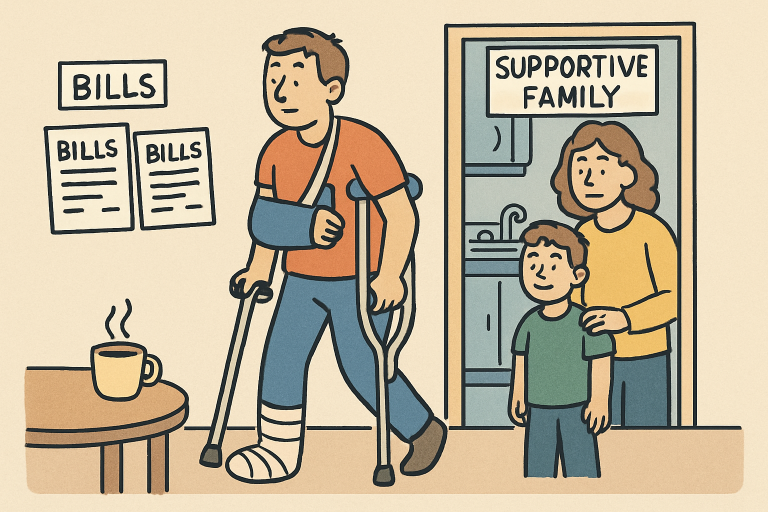
One of the earliest and most pronounced effects of a personal injury is the interruption of ordinary activities. Simple routines, getting dressed, commuting to work, preparing meals, or caring for children, can become overwhelming or impossible. In severe cases, individuals may need to rely on caregivers for even the most routine tasks. This forced dependence can take an emotional toll, especially for people accustomed to self-reliance.
The impact can be just as strong outside the home. Regular work attendance, participation in social outings, and involvement in hobbies may be interrupted or stopped altogether. For many, this loss of autonomy is one of the most challenging adjustments.
Financial Implications
Another significant aspect of a personal injury claim is the financial burden it imposes. Medical costs can escalate rapidly, especially if surgery, ongoing therapy, or specialized care is needed. Individuals may also experience a reduction or complete loss of income if they are unable to work. Reports indicate that minor injuries can lead to settlements ranging from $2,500 to $50,000, while the most severe cases may result in settlements of up to $5 million. Nevertheless, these funds are often offset by mounting bills, legal fees, and the challenge of managing household expenses on a reduced income.
Many families are left financially vulnerable during prolonged lawsuits, highlighting the need for careful planning and legal guidance throughout the claims process.
Emotional and Psychological Effects
The consequences of an accident extend beyond physical injuries. Many survivors experience emotional challenges, including anxiety, depression, irritability, or mood swings, which can complicate daily life. Dealing with medical recovery while navigating a complex and often slow legal process can heighten feelings of frustration, helplessness, or overwhelm. Prolonged stress or trauma may affect sleep, focus, and relationships, sometimes creating long-term psychological effects. Seeking professional mental health support can be crucial in managing these emotional impacts and fostering overall recovery and resilience.
Time Commitment and Legal Proceedings
Pursuing a personal injury claim can feel like taking on a full-time job. Claimants must gather extensive documentation, attend medical assessments, consult with lawyers, and prepare for the possibility of depositions or trial appearances. These demands can disrupt regular schedules, forcing individuals to take time away from employment, family responsibilities, or leisure activities. Many report that the legal ordeal is nearly as challenging as the injury itself.
Impact on Social Interactions
The combined weight of injury and litigation can lead to social withdrawal. Physical challenges may make it difficult to attend social events or maintain previous friendships. Emotional distress can further erode motivation, making it hard to reach out for support. Research across studies demonstrates that social isolation can be a significant barrier to full recovery. It is common for people to lose touch with favorite activities or peer groups while they focus on healing.
Influence of Media and Public Perception
When personal injury cases attract media coverage, the way claims are portrayed can have real-world consequences for those involved. Sensationalized or misleading reports may shape public perception, influencing how friends, coworkers, and even neighbors view the claimant. This heightened scrutiny can add emotional strain, as individuals and their families may feel compelled to justify their case or defend their right to pursue compensation. Understanding this impact highlights the importance of careful communication and support during legal proceedings.
Long-Term Lifestyle Changes
Even after the legal process ends, the effects of personal injury can linger. Some people must adopt new career paths or make significant changes in their daily routines to accommodate ongoing physical limitations. Others may need to relocate or renovate their homes to address accessibility needs. For many, ongoing medical appointments, therapy, or rehabilitation become fixtures in their schedules, reshaping their lives for months or even years to come.
Conclusion
Personal injury claims affect much more than just the legal outcome; they can disrupt daily routines, strain finances, challenge emotional well-being, and alter social relationships. The physical and psychological toll of an injury, coupled with navigating insurance and legal procedures, can create significant stress for both the injured individual and their loved ones. By recognizing these broad impacts and understanding how they interact, those affected can seek appropriate support, access helpful resources, and make informed decisions to manage recovery better and move forward with confidence.