


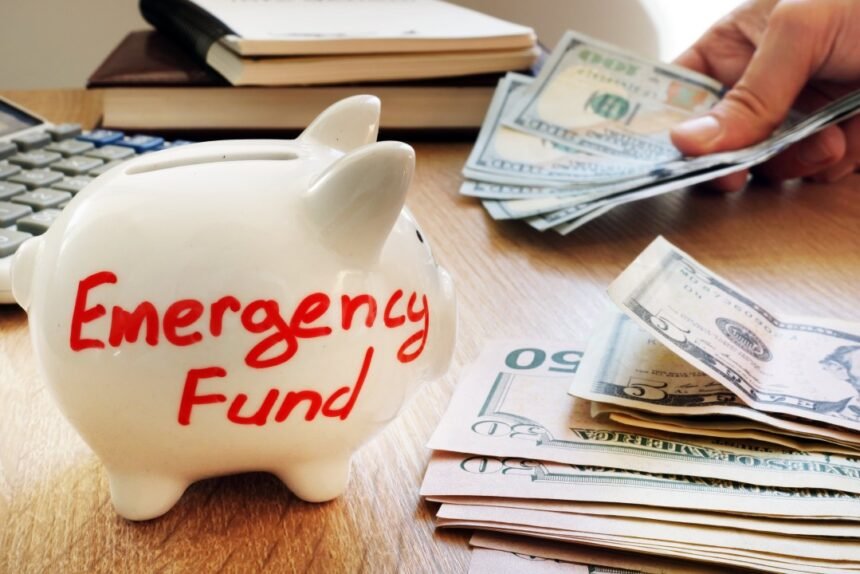
Financial uncertainty can strike anyone at any time, whether it’s an unexpected car repair, a sudden medical expense, or an unplanned job transition. Women, in particular, often face unique challenges in financial planning due to career breaks, caregiving responsibilities, and wage gaps. For those seeking structured guidance and actionable strategies, Dow Janes Reviews offers valuable insights into building an emergency fund while promoting long-term financial confidence. Leveraging expert tips and community support, Dow Janes provides tools and strategies that help individuals create a secure financial foundation.
Establishing an emergency fund is one of the most essential steps in achieving financial stability. Unlike retirement accounts or investment portfolios, an emergency fund provides immediate access to cash in the event of unexpected events. According to the Federal Reserve, nearly 60% of Americans report being unable to cover a $400 emergency expense without borrowing or selling assets, underscoring the urgent need for dedicated savings. Dow Janes emphasizes practical approaches for women looking to take control of their finances, offering guidance on how to start small and scale savings consistently.
Why an Emergency Fund is Crucial
An emergency fund is more than just a stash of money; it’s a tool for financial resilience. Life is unpredictable, and unexpected expenses can derail even the most carefully planned budgets. From medical bills and car repairs to sudden unemployment, emergencies often come with both financial and emotional stress. By maintaining a dedicated fund, individuals reduce the risk of accumulating high-interest debt and gain peace of mind knowing that they are prepared for unforeseen challenges.
For women navigating career transitions, childcare responsibilities, or wage disparities, an emergency fund becomes especially important. Dow Janes provides educational resources and community support that empower women to effectively establish these safety nets. Beyond immediate protection, an emergency fund encourages better financial decision-making, allowing individuals to approach investments, debt repayment, and lifestyle choices with confidence. According to NerdWallet, having an emergency savings account promotes long-term stability and reduces anxiety, reinforcing why experts consider it a fundamental financial strategy.
Determining the Right Amount to Save
Determining how much to save in your emergency fund requires a personalized approach. Financial advisors generally recommend a fund covering three to six months of living expenses, but your circumstances may necessitate a larger or smaller target. Begin by calculating essential monthly costs, including rent or mortgage, utilities, groceries, insurance, and transportation. This baseline ensures that the fund can realistically cover day-to-day obligations during an emergency.
Women who experience income variability or freelance work may require a larger cushion, while those with stable full-time employment might start with a smaller target. Dow Janes emphasizes tailoring goals to individual situations, encouraging members to assess their lifestyles, financial obligations, and potential risks before setting a savings benchmark. By setting a realistic, attainable target, individuals avoid the pitfalls of overextending or under-saving. Research from Investopedia supports this approach, highlighting the importance of a calculated, personalized strategy when establishing emergency funds.
Strategies to Build Your Emergency Fund Quickly
Building an emergency fund may feel overwhelming, but consistent strategies make the process manageable. Dow Janes recommends a combination of automation, budgeting, and leveraging supplemental income sources to grow savings efficiently.
Automate Savings: Set up automatic transfers to a separate savings account to ensure consistent contributions, even during busy months. Automation removes the temptation to spend what you intend to save.
Adjust Your Budget: Identify discretionary spending that can be redirected toward your emergency fund. Small adjustments, such as reducing subscription services or dining out, compound over time to create a meaningful buffer.
Generate Additional Income: Side gigs, freelancing, or selling unused items can provide targeted boosts to your fund. Dow Janes emphasizes that every contribution, no matter how small, accelerates progress and builds financial confidence.
Leverage Windfalls: Allocate a portion of tax refunds, bonuses, or other monetary gifts to the fund to boost savings without affecting regular cash flow. According to financial experts, combining these approaches not only accelerates fund growth but also reinforces a disciplined savings mindset, critical for long-term financial health.
Choosing the Best Account for Your Emergency Savings
Selecting the right account for your emergency fund is vital to ensure accessibility, security, and modest growth. High-yield savings accounts (HYSAs) are popular due to competitive interest rates and immediate liquidity. Money market accounts can offer additional flexibility, including limited check-writing privileges, while still maintaining a separate emergency fund.
Avoid using volatile investments, such as stocks or mutual funds, for emergency savings. Market fluctuations may compromise access to funds when they are most needed. Dow Janes provides guidance on account selection, helping members balance interest earnings with accessibility and security. The Consumer Financial Protection Bureau (CFPB) recommends maintaining a separate, dedicated emergency account to prevent accidental spending and strengthen financial discipline. Choosing the right account ensures your emergency fund remains protected while ready for immediate use during urgent situations.
Maintaining and Protecting Your Emergency Fund
Once your emergency fund is established, maintaining it is just as important as building it. Dow Janes encourages members to establish mental rules for withdrawals, using funds only for genuine emergencies. Any withdrawals should be replenished promptly to maintain the fund’s protective function.
Regularly reviewing your expenses and adjusting savings targets ensures your fund keeps pace with changes in lifestyle, inflation, and unexpected life events. Engaging with a community like Dow Janes provides motivation, accountability, and shared strategies, increasing the likelihood of sustained success. By following these principles, individuals create a reliable financial buffer that safeguards both their present and future, reinforcing long-term security and confidence.
Conclusion
Creating and maintaining an emergency fund is a cornerstone of financial resilience. By determining the right savings target, leveraging automated and strategic contributions, selecting the right account, and adhering to disciplined usage rules, individuals can build a fund that protects against financial shocks. Dow Janes offers resources, guidance, and community support that make this process accessible and actionable, empowering women to take control of their finances with confidence.
A well-planned emergency fund not only provides peace of mind but also lays the groundwork for other financial goals, from debt repayment to investing for the future. By implementing the strategies outlined above and engaging with supportive financial communities, anyone can build a robust safety net that withstands life’s uncertainties while fostering lasting financial stability.