


Introduction
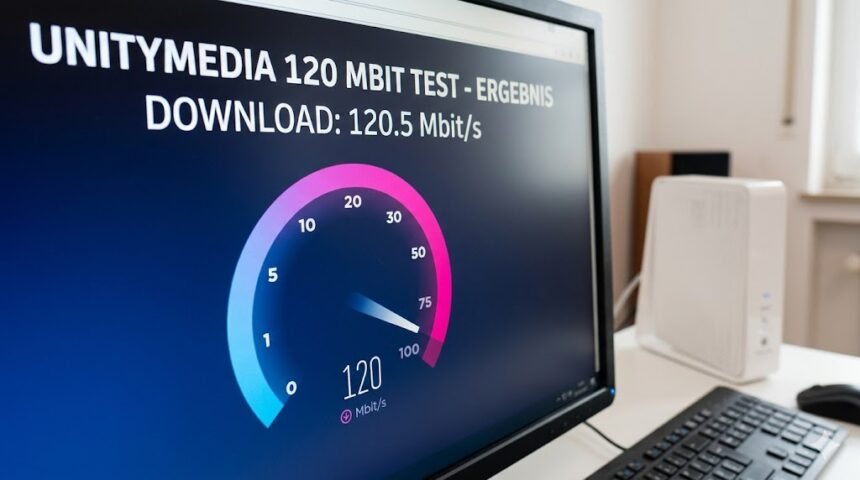
Fast internet isn’t just a luxury anymore it’s practically a necessity. Streaming films, jumping into video calls, gaming online, or downloading large files all demand reliable broadband. That’s where the unitymedia 120 mbit test comes into the conversation. Many people sign up for a 120 Mbit connection expecting lightning-fast performance, but what do the results actually look like in everyday use?
Well, that’s the interesting part. Internet speeds rarely behave exactly as advertised. Network congestion, router placement, device limitations, and even the time of day can influence what you see on a speed test. So when someone runs a unitymedia 120 mbit test, the numbers might be slightly different from the promised speed.
In this article, we’ll explore what the test really measures, how reliable the results are, and what factors influence the outcome. Along the way, we’ll look at performance comparisons, optimisation tips, and the practical experience of using a 120 Mbit connection in daily life.
Understanding the Unitymedia 120 Mbit Test
The concept of a speed test is straightforward, but the details behind it can be surprisingly complex. When users run a unitymedia 120 mbit test, the system measures three main elements: download speed, upload speed, and latency.
Download speed represents how quickly data travels from the internet to your device. Upload speed does the opposite—it shows how fast your device can send information back to the network. Latency, often called “ping,” measures the time it takes for data to travel between two points.
Now here’s the catch: these results reflect your connection at that precise moment. Network conditions fluctuate constantly, so speeds may differ slightly every time you test them. Even so, regular testing gives a fairly accurate picture of how well the connection performs.
Why Internet Speed Tests Matter
Speed tests aren’t just curiosity tools—they’re surprisingly useful for diagnosing problems. If a connection feels slow, running a speed test can reveal whether the issue lies with the service provider or with something inside the home network.
For example, if the result shows speeds close to 120 Mbit, the internet provider is likely delivering what was promised. If the numbers drop significantly below that level, something else might be interfering with performance.
Additionally, speed tests help users verify whether they’re getting the value they’re paying for. Broadband packages often advertise maximum speeds, but real-world performance tells the real story. Regular testing makes it easier to spot patterns and address any ongoing issues.
Typical Results from a Unitymedia 120 Mbit Test
Internet providers usually advertise “up to” speeds rather than guaranteed numbers. That means a 120 Mbit plan doesn’t always deliver exactly 120 Mbps at every moment.
Here’s a simplified overview of what users commonly observe when running a speed test on this plan.
| Test Metric | Expected Range | What It Means |
|---|---|---|
| Download Speed | 95–120 Mbps | Ideal for streaming, gaming, and downloads |
| Upload Speed | 5–10 Mbps | Suitable for video calls and uploads |
| Ping (Latency) | 10–30 ms | Good for gaming and real-time communication |
| Stability | High | Consistent performance throughout the day |
These ranges reflect typical real-world conditions. If your results fall within them, your connection is probably performing just fine.
Everyday Activities on a 120 Mbit Connection
A 120 Mbit connection might sound impressive on paper, but what does it actually feel like in daily life? Well, to put it bluntly—it’s fast enough for most households.
Streaming high-definition films becomes effortless. Multiple devices can browse the web simultaneously without noticeable slowdowns. Even large software updates download quickly, which is always a welcome surprise.
For families or shared homes, this speed tier provides plenty of breathing room. While one person streams a film and another joins a video meeting, the connection usually remains smooth and stable.
Benefits of Running Regular Speed Tests
Before diving into the list, it’s worth mentioning something simple yet often overlooked. Running speed tests regularly helps you understand your connection better. Over time, patterns start to appear—maybe the speed dips in the evening or improves after a router restart.
These little observations can make troubleshooting far easier. Instead of guessing, you’ll have clear data showing what’s happening with your network.
Key benefits include:
- Monitoring internet performance over time
- Detecting unexpected slowdowns
- Confirming the service provider delivers promised speeds
- Identifying network congestion periods
- Evaluating router or equipment upgrades
Factors That Can Affect Your Test Results
Another thing worth noting is that speed tests rarely operate in perfect conditions. Even a strong broadband plan can produce inconsistent results depending on various environmental factors.
Some of these factors are surprisingly small, yet they have a big impact on performance. Common influences include:
- Distance between the router and your device
- Interference from walls or furniture
- Number of devices using the network simultaneously
- Outdated routers or network cables
- Temporary congestion within the provider’s network
When these variables change, your speed test results can shift slightly as well.
How to Perform an Accurate Unitymedia 120 Mbit Test
Running a speed test sounds simple—and honestly, it mostly is. But if you want accurate results, a few preparation steps make a big difference.
First, connect your device directly to the router using an Ethernet cable whenever possible. Wired connections eliminate Wi-Fi interference and provide the most reliable results. Secondly, pause large downloads or streaming activities on other devices during the test.
Finally, run multiple tests at different times of day. Doing so helps you understand how network performance changes throughout the day rather than relying on a single snapshot.
Tips to Improve Your Internet Speed
Optimise Router Placement
A router tucked behind furniture or inside a cupboard won’t perform well. Placing it in a central, open area allows the signal to reach devices more effectively.
Update Networking Equipment
Older routers often struggle with modern broadband speeds. Upgrading to a newer model can instantly improve wireless performance.
Limit Background Activity
Apps running in the background sometimes consume bandwidth without users noticing. Closing unnecessary applications can free up valuable speed.
Restart the Router Occasionally
It sounds almost too simple, yet restarting a router often clears temporary glitches and refreshes the connection.
Is 120 Mbit Enough for Modern Households?
Internet demands have grown rapidly in recent years. Streaming platforms, cloud services, and smart home devices all rely on stable connectivity.
For most households, however, a 120 Mbit plan remains more than sufficient. It supports multiple HD streams, video calls, online gaming, and everyday browsing simultaneously without noticeable slowdowns.
Of course, extremely large households with dozens of connected devices might require higher speeds. But for the average family, 120 Mbit provides a balanced mix of speed, reliability, and affordability.
FAQs About Unitymedia Internet Speeds
What is the purpose of a unitymedia 120 mbit test?
It measures your internet’s download speed, upload speed, and latency to determine how well your connection performs.
Why is my speed lower than 120 Mbps?
Several factors may reduce speeds, including Wi-Fi interference, network congestion, or outdated equipment.
How often should I run a speed test?
Running a test once or twice a week can help you track performance trends and detect issues early.
Does Wi-Fi affect speed test results?
Yes, wireless connections often show slightly lower speeds than wired Ethernet connections due to signal interference.
Can router placement influence internet speed?
Absolutely. Routers placed centrally and away from obstacles usually deliver stronger and faster connections.
Conclusion
The unitymedia 120 mbit test offers a practical way to evaluate broadband performance in real-world conditions. While advertised speeds provide a benchmark, actual results depend on equipment, network congestion, and home setup. Running regular tests helps users understand their connection and detect potential issues early. With proper optimisation and good hardware, a 120 Mbit connection can easily support modern online activities. In most households, it delivers reliable speed, stable streaming, and smooth everyday browsing.