


Introduction
Keeping track of what we eat sounds simple—until we actually try it. Calories, vitamins, minerals, macros… suddenly the numbers pile up, and things get confusing fast. That’s where nutrition tracking apps step in, promising to make the whole process easier and smarter.
Among the many apps available today, Cronometer has carved out a reputation for accuracy and detailed nutrition analysis. Fitness enthusiasts, dieticians, and health-conscious individuals often mention it when discussing reliable tracking tools. But does it truly live up to the hype?
In this cronometer review, we’ll explore how the app works, what features it offers, and whether it’s actually worth downloading. From nutrient tracking to usability and pricing, we’ll dig into the details so you can decide if this app deserves a place in your daily routine.
What Is Cronometer and How Does It Work?
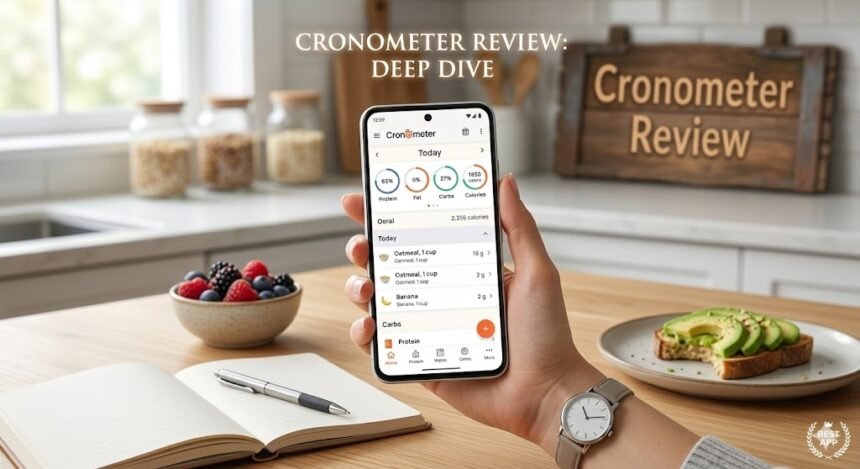
Cronometer is a nutrition tracking app designed to help users monitor their daily food intake with impressive precision. Unlike many calorie counters that focus mainly on macronutrients, Cronometer dives deeper by tracking vitamins, minerals, and other important nutrients.
Users simply log the foods they eat throughout the day, and the app calculates detailed nutritional information. Its database includes thousands of verified foods, many of which come from trusted scientific sources rather than user-generated entries. This approach helps maintain accuracy, which is often a concern with other apps.
Another appealing aspect is its versatility. Whether someone is following a keto diet, trying to lose weight, or simply aiming to improve overall nutrition, Cronometer adapts easily to different health goals.
Why Cronometer Stands Out in the Nutrition App Market
Many nutrition apps promise convenience, yet not all deliver accurate data. Cronometer distinguishes itself by prioritising verified nutritional information rather than relying heavily on community submissions.
Because of this focus on quality, the app has become particularly popular among professionals. Dieticians, athletes, and researchers often prefer tools that provide precise micronutrient breakdowns, and Cronometer does exactly that.
At the same time, the interface remains surprisingly user-friendly. While the data might look detailed at first glance, the app organises information neatly so users can understand their nutrition patterns without feeling overwhelmed.
Key Features Highlighted in This Cronometer Review
Before diving into the main features, it’s worth noting that Cronometer is designed for both beginners and experienced health trackers. The app balances simplicity with advanced tools, which makes it appealing to a wide audience.
Here are some of its most useful features:
- Detailed micronutrient tracking for vitamins and minerals
- Customisable nutrition targets
- Integration with fitness trackers and wearable devices
- Barcode scanning for quick food logging
- Comprehensive reports and nutrition charts
Benefits of Using Cronometer Daily
Using a nutrition tracker every day can feel tedious at first. However, once the habit forms, it becomes surprisingly helpful for understanding eating patterns.
Cronometer allows users to see how their meals contribute to overall nutrient intake. Instead of guessing whether they’re getting enough vitamins or minerals, the app provides clear data.
Over time, this awareness often leads to healthier food choices. When people realise they’re low on certain nutrients, they naturally start adjusting their meals to fill those gaps.
Cronometer Features Comparison
| Feature | Free Version | Gold Version |
|---|---|---|
| Food tracking | Yes | Yes |
| Nutrient analysis | Basic | Advanced |
| Custom charts | Limited | Full access |
| Ad-free experience | No | Yes |
| Fasting timer | No | Yes |
How Accurate Is Cronometer?
Accuracy is where Cronometer truly shines. Many apps allow users to submit food entries freely, which can sometimes lead to incorrect nutritional values.
Cronometer takes a different approach by relying on verified food databases from reputable sources such as nutrition research organisations. This reduces the risk of inaccurate information slipping into the system.
As a result, users often consider it one of the most reliable nutrition tracking tools available. For individuals who rely heavily on nutrient precision—such as athletes or medical diet plans—that accuracy can make a significant difference.
Tips for Getting the Most Out of Cronometer
Starting a new tracking app can feel overwhelming, especially when there are so many features to explore. However, a few simple habits can make the experience smoother and more useful.
Here are some helpful tips:
- Log meals immediately after eating to avoid forgetting foods
- Use the barcode scanner for faster tracking
- Review nutrient reports weekly to identify patterns
- Set realistic nutrition targets instead of extreme goals
- Sync the app with wearable fitness devices
Exploring Advanced Tools in Cronometer
Custom Nutrition Targets
Users can create personalised nutrition goals based on diet preferences, health objectives, or professional advice.
Detailed Nutrient Reports
Cronometer generates in-depth reports showing vitamin, mineral, and macro intake over time.
Integration With Fitness Apps
The app connects with various health platforms and fitness trackers, allowing exercise data to sync automatically.
Who Should Use Cronometer?
Cronometer works well for a wide range of users. People trying to lose weight often appreciate the precise calorie tracking, while athletes benefit from the detailed macro and micronutrient breakdown.
Nutrition professionals also find the platform useful because it allows them to monitor dietary intake more closely. Instead of guessing what clients are eating, they can review accurate reports generated by the app.
Even casual users who simply want to improve their eating habits can benefit from Cronometer’s clear data and visual charts.
FAQs About Cronometer
What is Cronometer used for?
Cronometer is used to track daily food intake and analyse nutritional values such as calories, vitamins, and minerals.
Is Cronometer free to use?
Yes, the app has a free version, though a premium Gold version offers additional features.
Is Cronometer better than other calorie tracking apps?
Many users prefer it because of its detailed nutrient tracking and verified food database.
Does Cronometer work for weight loss?
Yes, it can help users monitor calorie intake and maintain balanced nutrition while losing weight.
Can Cronometer connect to fitness devices?
Yes, the app integrates with several fitness trackers and health platforms.
Conclusion
This cronometer review highlights why the app has gained popularity among health-conscious users. With its accurate nutrition database, detailed nutrient tracking, and flexible tools, it offers far more than a basic calorie counter. Whether someone wants to improve their diet, track vitamins, or manage fitness goals, Cronometer provides useful insights. While the premium version adds extra convenience, even the free version delivers impressive functionality. For anyone serious about understanding what they eat, Cronometer can be a powerful and practical tool.